サステナビリティ・ESG・地域活性化への私のバックグラウンドの貢献 How My Background Contributes to Sustainability, ESG, and Regional Revitalization

サステナビリティ科学は、UNESCOの定義によれば、物理的・生物学的・社会的システム間の相互作用を理解し、持続可能な政策の実現と前向きな社会変革を促進することを目的とする学際的な学問分野です(UNESCO, 2024)。このような相互に関連し合うシステムへの理解は、持続可能な農業、社会生態学的システム、そして政策形成の分野における私の学術的・職業的経験の中核をなしてきました。
Sustainability science, as defined by UNESCO, seeks to understand the interactions between physical, biological, and social systems, aiming to foster sustainable policies and drive positive social transformations (UNESCO, 2024). This understanding of interconnected systems has been central to my academic and professional background, particularly in the fields of sustainable agriculture, socio-ecological systems, and policy development.
サステナビリティ科学への貢献
Contributions to Sustainability Science
私は2011年に留学生として来日し、愛知県の大学で政策学を専攻しました。学部時代の卒業論文では、国連の持続可能な開発目標(SDGs)2「飢餓をゼロに」に関連して、飢餓や貧困の解決策としての持続可能な農業をテーマに研究を行いました。その中で、持続可能な農業技術と、それらが社会的に脆弱な地域社会における食料安全保障の課題解決にどのように貢献できるかについて考察しました。
I arrived in Japan as a student in 2011 to pursue a degree in Policy Studies at a university in Aichi. My undergraduate thesis focused on sustainable farming—as a solution to combat hunger and poverty, aligning with the United Nations' Sustainable Development Goal 2: Zero Hunger. In my research, I explored sustainable agricultural techniques and how they could address food insecurity in marginalized communities.
また、卒業論文の一環として愛知県瀬戸市の田んぼで農作業を経験したことで、日本の農村地域における人と自然の調和的な関係性を表す「里山(Satoyama)」という社会生態学的概念について深く理解することができました。この伝統的なシステムは、3,000年以上にわたり地域社会を支え、生物多様性の保全と農業生産性の向上を両立させてきました(Duraiappah et al., 2012; Katoh et al., 2009; Kobori & Primack, 2003)。
Through practical experience, such as working in rice fields in Seto, Aichi as part of my thesis, I developed a deep understanding of the “satoyama (里山)” socio-ecological concept, which describes the harmonious interaction between humans and nature in rural Japan. This traditional system has sustained communities for over 3,000 years, fostering both biodiversity and agricultural productivity (Duraiappah et al., 2012; Katoh et al., 2009; Kobori & Primack, 2003).
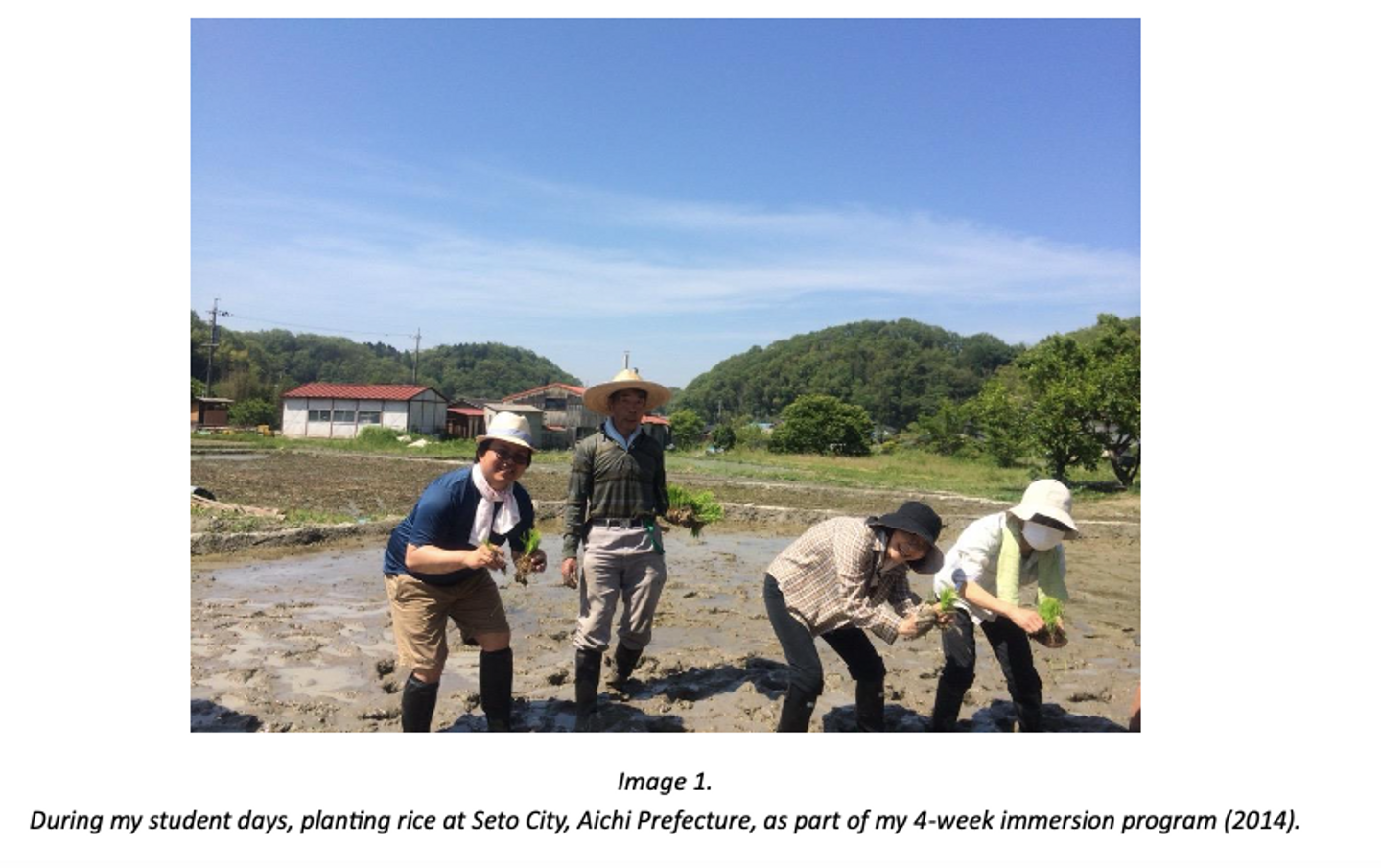
こうした実地経験を通じて、自然生態系がどのように機能しているのか、そして特に農業活動がそれらのシステムにどのような影響を与えているのかを批判的に評価する視点を養うことができました。
My hands-on experience enabled me to critically assess how natural ecosystems function and how human activities, particularly in agriculture, impact these systems.
さらに、この経験は稲作を取り巻く社会生態学的ダイナミクスへの理解を深める契機となり、農業生産性の向上と同時に、土壌肥沃度や水質といった生態系サービスを維持・保全する必要性を認識するようになりました。例えば、生物多様性の保全を目的としたため池の活用などの持続可能な農業実践は、水田生態系の健全性を維持する上で重要な役割を果たしています(Foley et al., 2011; Japan Wildlife Research Center, 2004)。また、気候変動がこれらの生態系に大きな負荷を与え、生物多様性の損失や農業生産量の減少を引き起こしていることについても理解を深めました(Seidl et al., 2015)。
The experience informed my understanding of the socio-ecological dynamics of rice farming, highlighting the need to preserve ecological services like soil fertility and water quality while enhancing agricultural productivity. For instance, sustainable agricultural practices, such as the use of reservoirs for biodiversity conservation, are essential for maintaining ecosystem health in rice fields (Foley et al., 2011; Japan Wildlife Research Center, 2004). Moreover, I became aware of how climate change pressures these ecosystems, leading to biodiversity loss and reduced agricultural yields (Seidl et al., 2015).
自身の経験と現実世界のサステナビリティ課題との接続
Linking My Background to Real-World Sustainability Challenges
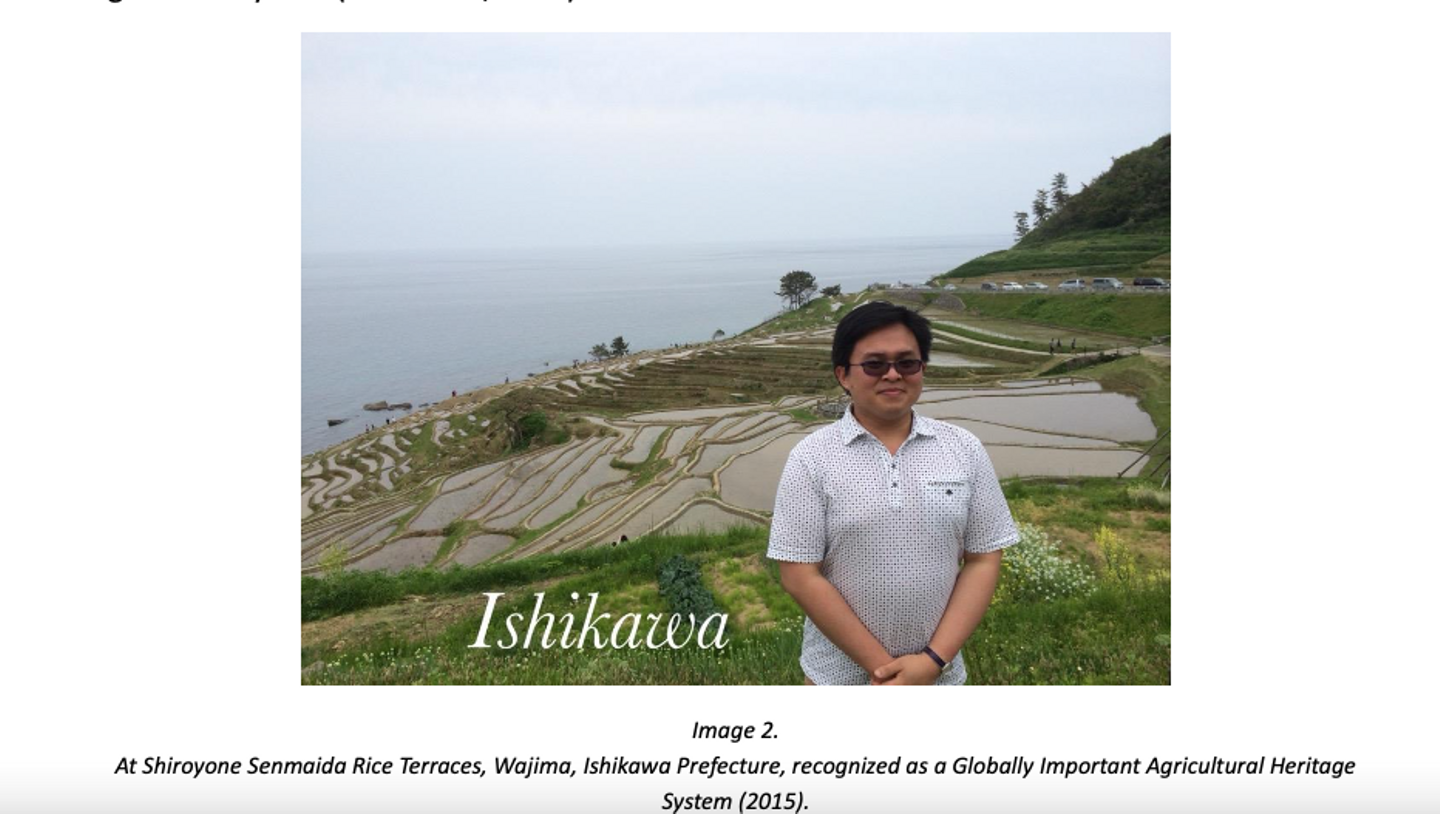
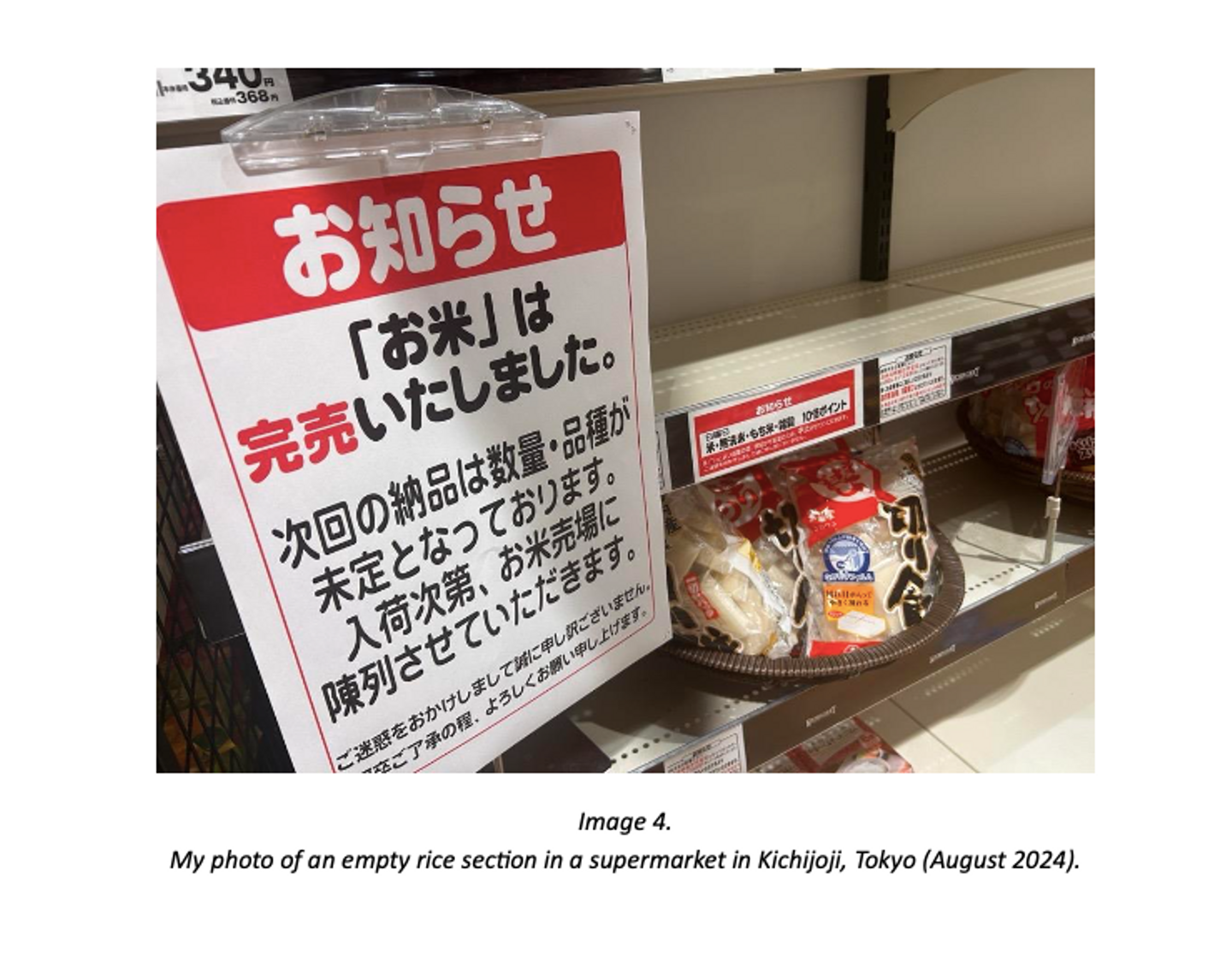
その後、大学院での学びやフィールドワークを通じて、サステナビリティ科学の実社会における重要性をより強く認識するようになりました。近年、日本では気候変動や自然災害の影響により深刻な米不足が発生しています。特に2024年9月には、メディアでも大きく報道された線状降水帯による豪雨が発生し、その影響で国連食糧農業機関(FAO)の世界農業遺産(GIAHS)にも認定されている白米千枚田が甚大な被害を受けました。持続可能な農業システムに関する研究と環境経済学の知見を組み合わせることで、私はこれらの課題を多角的に分析し、前職のクライアントに対して解決策を提案してきました。
The real-world application of sustainability science became more evident as I continued my post-graduate studies and fieldwork. In recent months, Japan has faced significant rice shortages due to climate change and natural disasters, such as the heavy rains caused by the linear precipitation belt (線状降水帯) in September 2024 as widely broadcasted by the media. For instance, these events severely impacted the Shiroyone Senmaida Rice Terraces, a UNESCO-recognized Globally Important Agricultural Heritage System. My research into sustainable farming systems, coupled with my understanding of environmental economics, has allowed me to critically examine these issues and generate potential solutions for my clients in my previous organization.
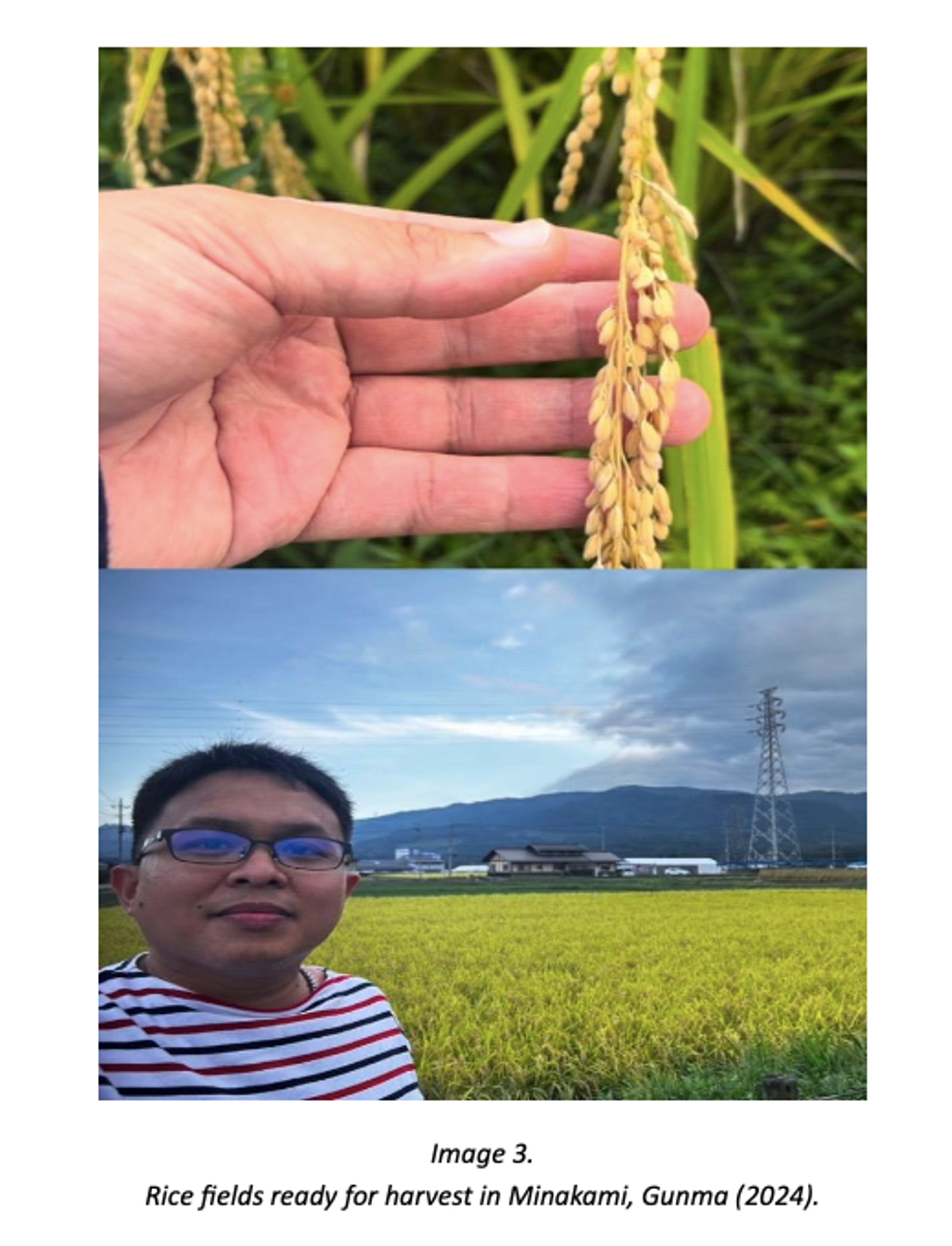
例えば、最近実施した群馬県みなかみ町の水田におけるフィールドワークでは、「外部性」という概念に触れ、環境コストを経済システムの中に適切に内部化することの重要性を改めて認識しました。この理解は、食料生産を増加させるだけでなく、気候変動の影響を緩和し、生態系サービスを保全する持続可能な農業の推進への関心につながっています。これは、市場価格の調整を目的として生産量を抑制する政策が存在する中で、日本がより持続可能な農業への転換を通じて米不足の問題に取り組む必要性とも一致しています(毎日新聞, 2024)。
For example, my exposure to the concept of externalities during my recent fieldwork in a rice field in Minakami, Gunma emphasized the importance of internalizing environmental costs into economic systems. This understanding drives my interest in promoting sustainable agricultural practices that not only increase food production but also mitigate the effects of climate change and preserve ecosystem services. This aligns with the need for Japan to address rice shortages through a more sustainable approach to farming, particularly in light of government policies that reduce rice production to control market prices (Mainichi Shinbun, 2024).
今後の研究展望
Future Research
近年の日本における米不足は、「何を持続可能にするのか(sustainability of what?)」という根本的な問いを改めて考える契機となり、私のサステナビリティ科学への関心をさらに深めました。これまでの学生時代および前職での研究成果を現在の食料持続可能性の課題へ応用し、人文社会科学の視点を統合することで、サステナビリティ科学の発展に貢献したいと考えています。私の目標は、環境的な結果と社会的な対応の双方を形成する複雑な社会生態学的システムについて、より深い理解を促進することです。
The recent rice shortages in Japan sparked my continued interest in sustainability science, especially in answering critical questions such as "sustainability of what?". By building on my past student and professional research work in my previous organization, and applying it to current food sustainability challenges, I hope to contribute to the advancement of sustainability science through the integration of human and social sciences. My goal is to foster a deeper understanding of the complex socio-ecological systems that drive both environmental outcomes and societal responses.
また、白米千枚田および群馬県みなかみ町の水田を訪問した際には、伝統的な農業実践と、それらが現代のサステナビリティ課題に対して持つ意義について多くの示唆を得ました。しかしながら、近年の豪雨や長期化する猛暑により、その景観の多くが損なわれており、こうした農業システムが気候変動に対して極めて脆弱であることを痛感しました。
During my visit to the Shiroyone Senmaida Rice Terraces as well as the rice fields in Minakami, Gunma, I gained valuable insights into traditional agricultural practices and their relevance to modern sustainability challenges. Unfortunately, much of this landscape was recently destroyed by heavy rains and prolonged hot summer days, underscoring the vulnerability of such systems to climate change.
これらの経験を振り返ると、今後の学術研究を通じてサステナビリティ科学に貢献できる可能性を強く感じています。Trencherら(2014)が指摘するように、大学は知識創造の拠点であり、社会との協働パートナーとして、こうした喫緊の課題解決に重要な役割を果たすことができます。私の今後の研究では、これまでの研究およびフィールドワークから得られた知見を基盤とし、「里山イニシアティブ(Satoyama Initiative)」のような取り組みに着目しながら、伝統農業がサステナビリティの推進に果たす可能性を探究したいと考えています。里山イニシアティブは、社会生態学的生産ランドスケープにおける均衡を維持することで、生態系保全と持続可能な農業という二つの課題の両立を目指しています。例えば、2,000を超えるため池に支えられた白米千枚田のようなシステムは、稲作に必要な水資源を供給するだけでなく、絶滅危惧種の重要な生息地としての役割も担っています。今後は、保全と持続可能な農業とのバランスや、それらを評価するプロセスについてさらに研究を深めるとともに、気候変動に関する国際協力の重要性も踏まえながら、サステナビリティ科学の発展および社会全体の持続可能な変革に微力ながら貢献したいと考えています。
Reflecting on these, I see a potential in contributing to sustainability science through my future academic work. According to Trencher, universities, in their capacity as knowledge creators and societal partners, can play a crucial role in addressing these pressing issues (Trencher et al., 2014). My future thesis aims to build on the insights gained from my previous research and fieldwork studies, particularly by exploring the potential of traditional agriculture to promote sustainability through initiatives like the “Satoyama Initiative” as it seeks to address the dual challenges of conservation and sustainable agriculture by maintaining balance in socio-ecological production landscapes. These systems, such as the Shiroyone Rice Terraces supported by over 2,000 irrigation ponds, provide not only water for rice cultivation but also critical habitats for endangered species. By further researching the balance between preservation and sustainable agriculture and their relevant assessment processes alongside a call for international cooperation on climate change, I humbly hope to contribute to the ongoing development of sustainability science and support broader sustainability transformations in society.